Environmental Justice Is Cultural: Roots, Land, and Memory
Environmental justice is often framed as science, policy, or climate data—but for many communities, especially Black, Indigenous, and other people of color, environmental justice is cultural.
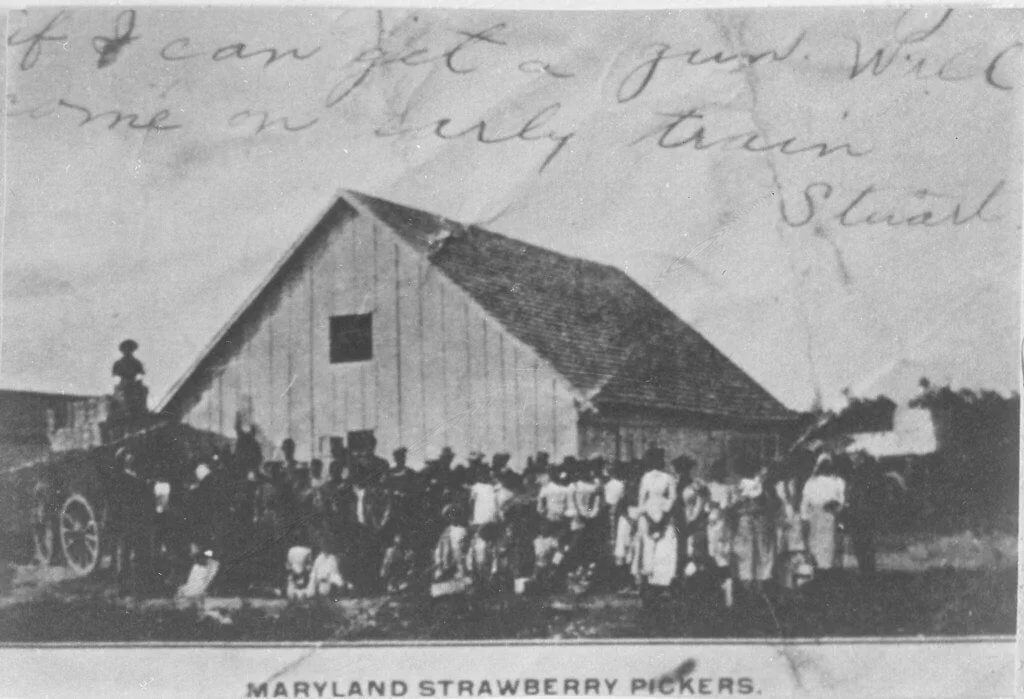
It lives in memory.
It lives on land.
It lives in the ways our ancestors understood water, soil, and survival.
Long before environmental justice became a modern movement, Indigenous communities across the Chesapeake region practiced stewardship rooted in balance and responsibility. Land and water were not commodities—they were relatives, teachers, and life sources. Protection was not optional; it was sacred.
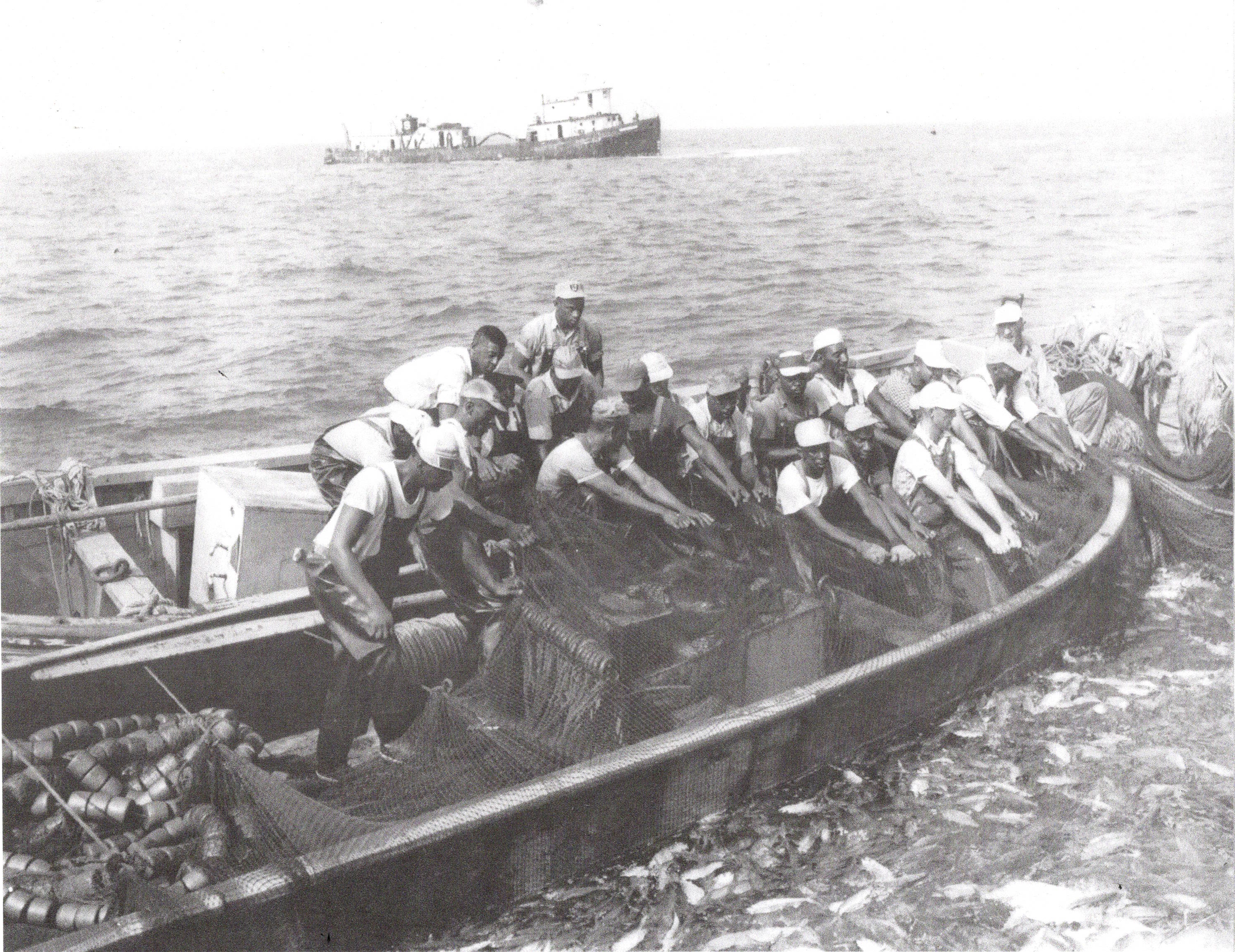
Enslaved Africans and their descendants carried this relationship forward in different ways through farming, fishing, crabbing, oystering, and land-based labor that sustained families and economies even while ownership and protection were denied.
Disconnection Was Not Accidental
The separation of many communities from the land today did not happen naturally. It was engineered.
Displacement, segregation, redlining, land theft, and environmental neglect severed cultural relationships to land and water. Communities were pushed onto flood-prone land, near polluted waterways, or into housing that offered little protection from environmental harm.
Environmental injustice is not just about exposure; it is about disconnection:
Disconnection from land knowledge
Disconnection from cultural practices
Disconnection from decision-making power
When communities are cut off from their relationship to the environment, harm multiplies.
Youth Are Reclaiming the Connection
Today, BIPOC youth are leading a quiet but powerful reclamation.
Through programs like the Next Ground Project, young people are reconnecting environmental justice to cultural identity, learning not only how environmental systems work, but why protection matters at a deeper level.
For many youth, environmental learning becomes:
A way to understand family history
A pathway to economic opportunity
A form of healing and grounding
A reclaiming of knowledge that was interrupted
Environmental literacy, when rooted in culture, becomes more than information. It becomes belonging.
Environmental Justice as Cultural Survival
When youth learn about land and water through a cultural lens, environmental justice stops being abstract. It becomes personal. It becomes ancestral. It becomes forward-looking.
Protecting the Chesapeake is not just about restoring ecosystems; it is about restoring relationships.
Environmental justice is cultural because culture teaches us how to care, how to remember, and how to imagine a future where communities and environments thrive together.
As this series continues, we will center youth voices who are actively shaping that future, grounded in their lived experience, cultural memory, and vision for justice.