Environmental Justice Is a Youth Issue
Environmental justice is often discussed in policy rooms, classrooms, and conference halls, but for many young people, especially Black, Indigenous, and other youth of color, it is lived every day.
Environmental justice asks a simple question: Who bears the burden of environmental harm, and who gets protected?
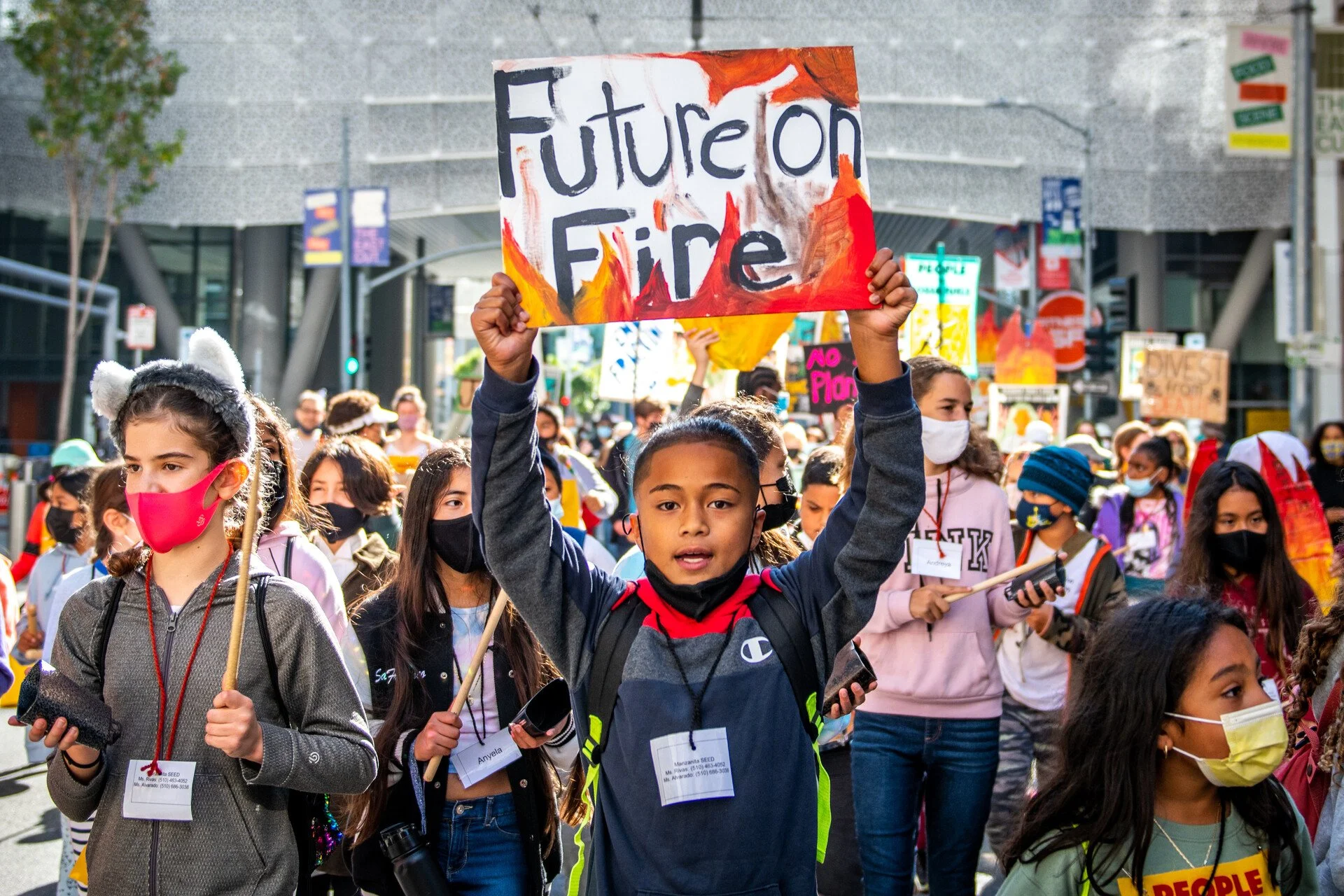
Too often, the answer is youth living in communities impacted by flooding, pollution, unsafe housing, food deserts, and climate instability without having a seat at the table where decisions are made.
For BIPOC youth, environmental injustice is not abstract. It shows up as:
Mold in homes after repeated flooding
Neighborhoods without safe green space
Rising heat with nowhere to cool down
Polluted water and limited access to healthy food
Schools and housing built near environmental hazards
These conditions are not accidental. They are the result of decades of policy decisions that placed environmental risk on the same communities already navigating economic and housing instability.
Why Youth Voices Matter
Young people are not just affected by environmental injustice. They are uniquely positioned to lead us toward solutions.
Youth bring:
Lived experience, adults often overlook
Long-term vision for the future they will inherit
Creativity rooted in survival, culture, and community
A deep understanding of how environment, health, and opportunity intersect
When youth are excluded from environmental conversations, we miss critical truths. When they are centered, we move closer to justice.
The Next Ground Project
The Next Ground Project exists to build environmental literacy, workforce pathways, and leadership among youth, especially those historically excluded from environmental spaces.
Through learning, dialogue, and hands-on engagement, youth are reclaiming knowledge about land, water, and stewardship and connecting environmental justice to economic opportunity and community care.
This blog series will amplify the voices of young people, center the Chesapeake region, and explore the cultural roots of environmental justice through their eyes, as they are already shaping the future.
Environmental justice is not a future issue.
It is a youth issue.
And youth are leading the way.
Learn more about the Next Ground Project